Alex Berenson (born January 6, 1973) is a former reporter for The New York Times and the author of several thriller novels and a book on corporate financial filings. Read full biography of Alex Berenson →
Rising interest rates are considered bad for stocks because they raise the cost of doing business and depress corporate earnings and because higher... →
The details of the personal expenses that executives put on the company tab often are not known because loopholes in federal disclosure rules let... →
The notion that employees and companies have a social contract with each other that goes beyond a paycheck has largely vanished in United States... →
The thing to do with mutual funds is to buy a couple of decent ones, set up an investment plan and then never, ever think about them again, except... →
Trust-me companies are companies whose financial results gallop ahead of their businesses, companies with seemingly perfect control over their... →
Would-be drug companies must either produce medicines that stand up to federal scrutiny, demonstrate that their data has value to other companies, or... →
Even so, sometimes I wish I did have a little bit more flair in my language.
An attack on the scale of Sept. 11 would rock the markets and the economy.
As a public servant, William H. Webster has an impeccable resume.
As the Nasdaq soared in 1999 and early 2000, demand for many offerings far exceeded the supply of shares available at the initial offering price.
As they grow, companies saturate their markets, become more complex and difficult to manage, and face larger and more entrenched competitors.
At the end of 2000, most investors were optimistic that a return to quick gains could not be far off.
Big banks have long had private equity divisions that put up capital for deals too complex or risky for individual shareholders to finance.
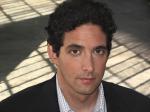 Alex Berenson (born January 6, 1973) is a former reporter for The New York Times and the author of several thriller novels and a book on corporate financial filings.