Alex Berenson (born January 6, 1973) is a former reporter for The New York Times and the author of several thriller novels and a book on corporate financial filings. Read full biography of Alex Berenson →
Big companies often use their leverage to take stakes in would-be suppliers, especially in the technology business.
Don't expect Barton Biggs to be offering his market insights on 'Bloomberg News' anytime soon. His plumber, maybe.
Electronic communications networks match trades between investors directly, without using a market maker or specialist as an intermediary.
Even a war zone looks peaceful in most places, most of the time.
Even technology companies get good news sometimes.
Every public company depends to some extent on the trust of its investors.
Fannie Mae has never publicly disclosed how much money it could lose if interest rates rose 1.5 percentage points in a very short period of time.
Federal laws against kickbacks bar pharmaceutical companies from directly giving money to patients for co-payments on the drugs they make.
For a developing country, average long-run growth of 5 percent a year per capita is excellent, and 7 percent is stellar.
For decades, Wall Street has charged companies a standard fee of 7 percent to sell their shares to the public.
For more than two decades, Barry Diller has been among the most respected - and feared - figures in the entertainment industry.
For years, critics of Fannie Mae have warned that it does not give them enough information to judge its risks.
HealthWell is just one of several foundations that assist patients in making their insurance co-payments for expensive drugs.
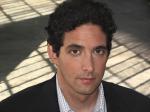 Alex Berenson (born January 6, 1973) is a former reporter for The New York Times and the author of several thriller novels and a book on corporate financial filings.